We know what matters
The way adhesive tapes or finished moulded parts are presented plays a crucial role in your project. There is often concern that this process is too standardised and cannot be seamlessly integrated into your own workflows. This can make (further) processing unnecessarily difficult.
Our solution
No two orders are alike – neither in terms of execution nor packaging. We deliver your goods exactly as required for your processes. We consider not only the product, but also the entire application and assembly process. Together with you, we develop a presentation that integrates optimally into your processes, simplifies handling and increases process reliability.
Whether punched or laser-cut, individual parts are the ideal solution when maximum flexibility is required.
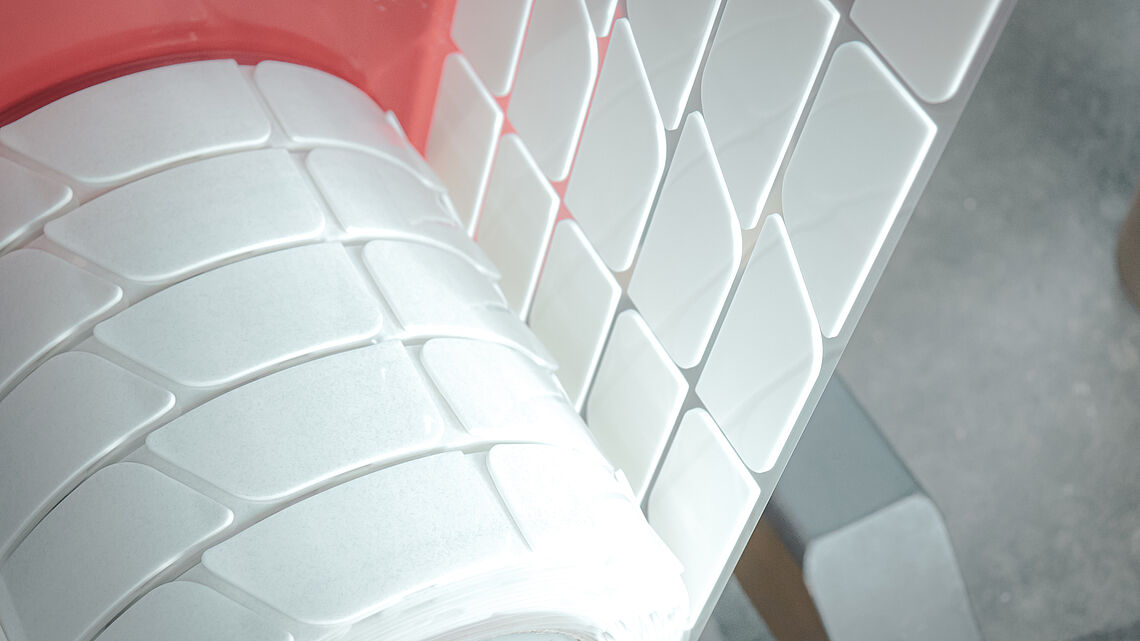
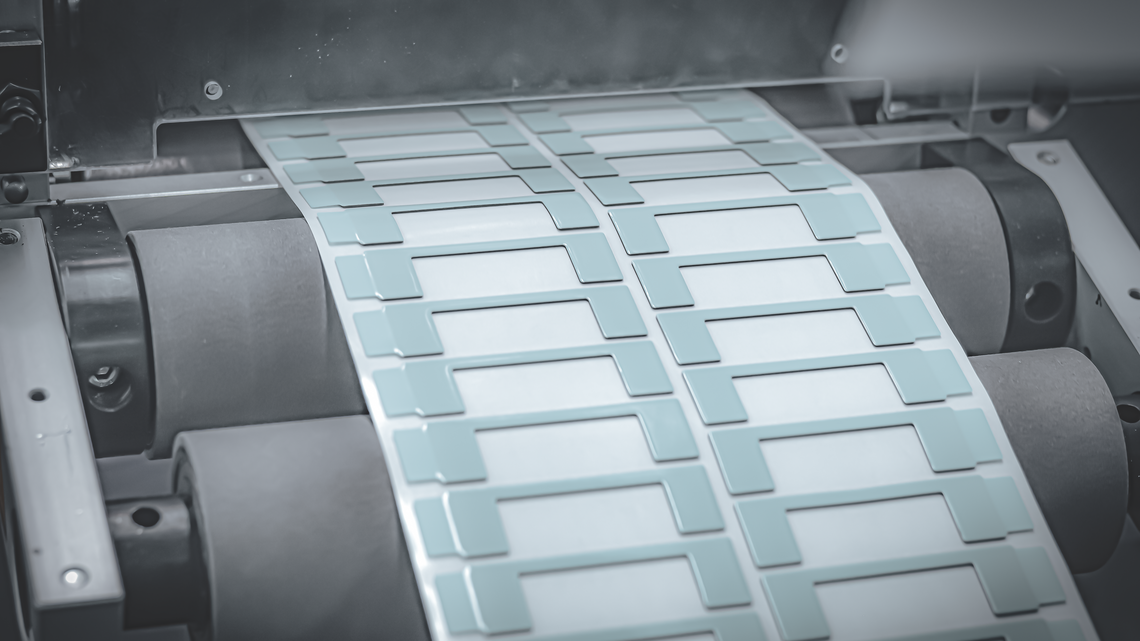
In roll production, the liner on which the moulded parts lie is wound onto a roll. The parts can be produced in single or multiple lanes.
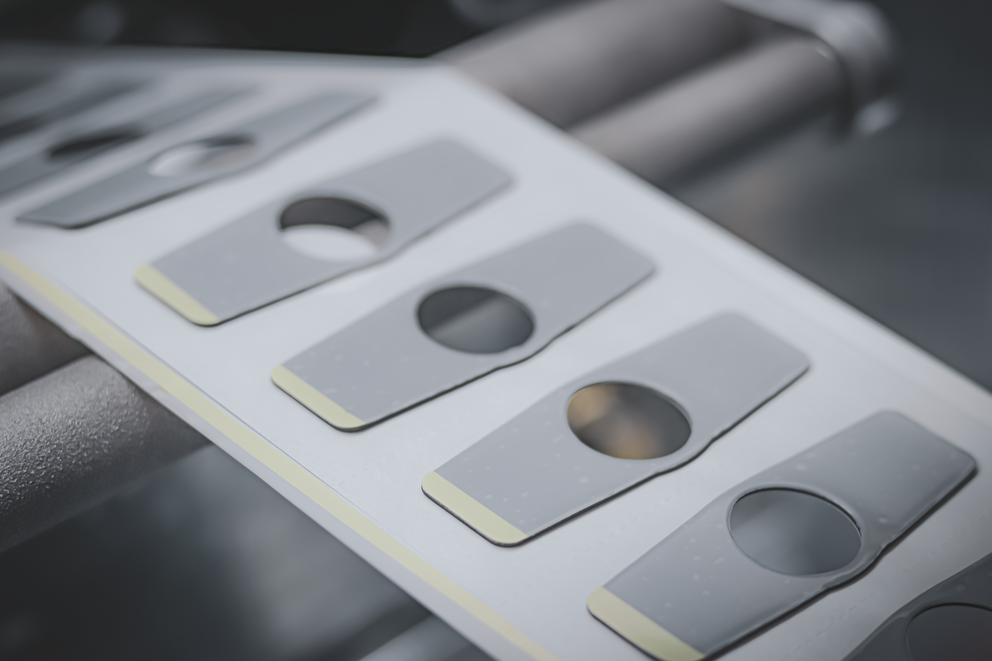
When manufacturing on sheets, the adhesive tape moulded parts are placed directly on a sheet of liner material. The sheet size can be selected individually.
When manufactured as a set, two or more related moulded parts – for example, right and left variants – remain connected on a common sheet or carrier. This ensures that they can be processed directly in pairs.
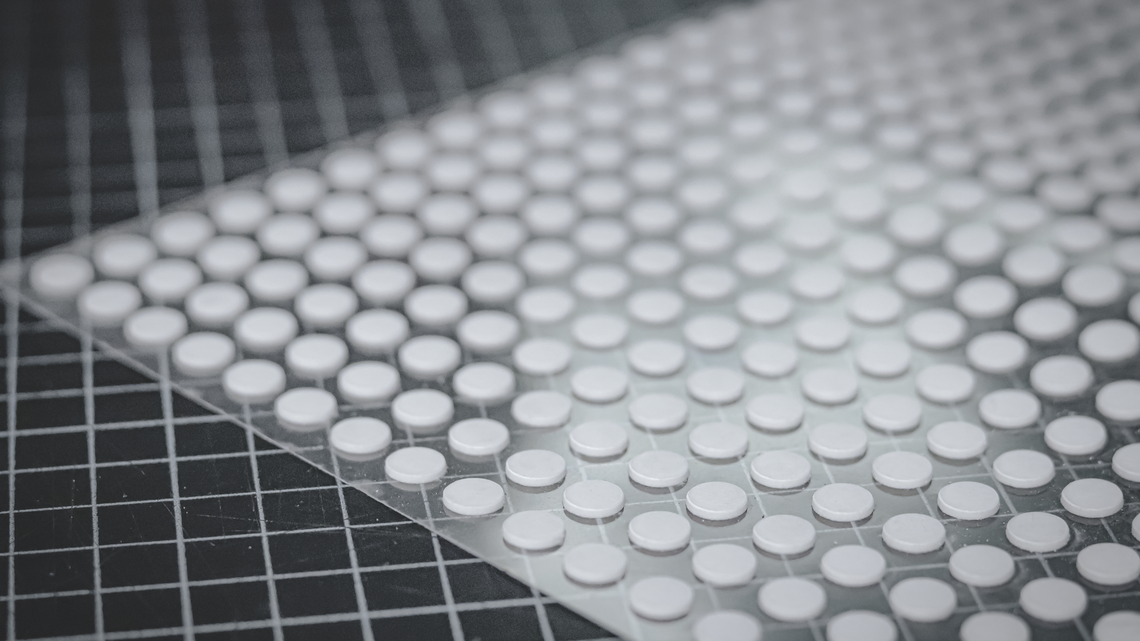
Here, the moulded parts are counted as individual items, sorted and packaged in bundles of specified quantities. This ensures that exactly the right amount is available for each step of the process.
Here, the parts are manufactured directly next to each other without any spacing. They are arranged close together, enabling particularly efficient use of materials.
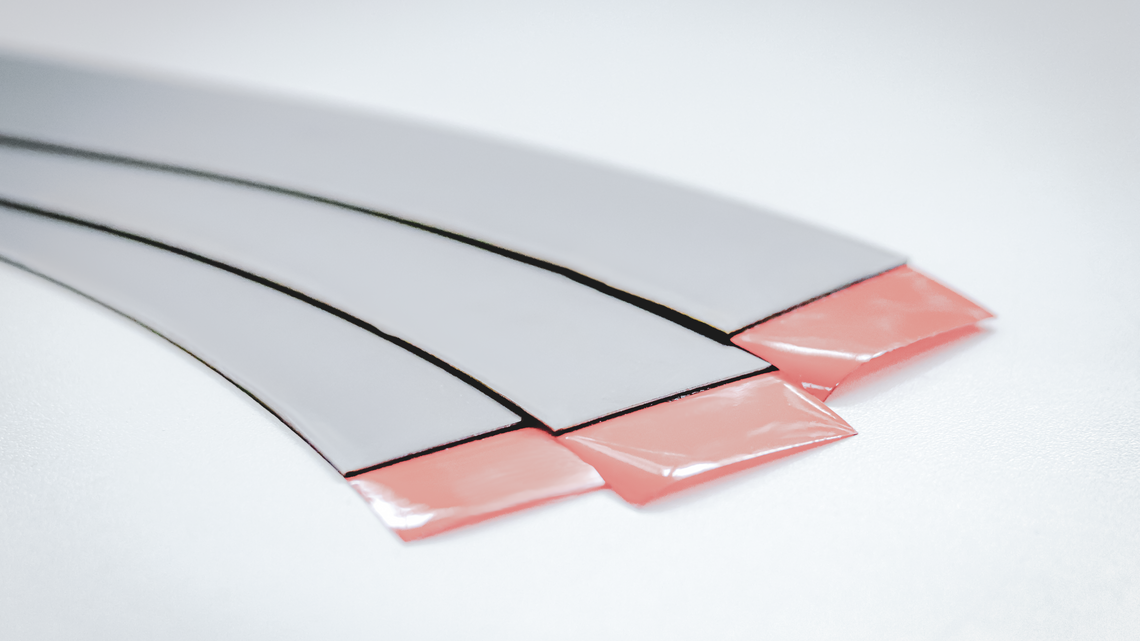
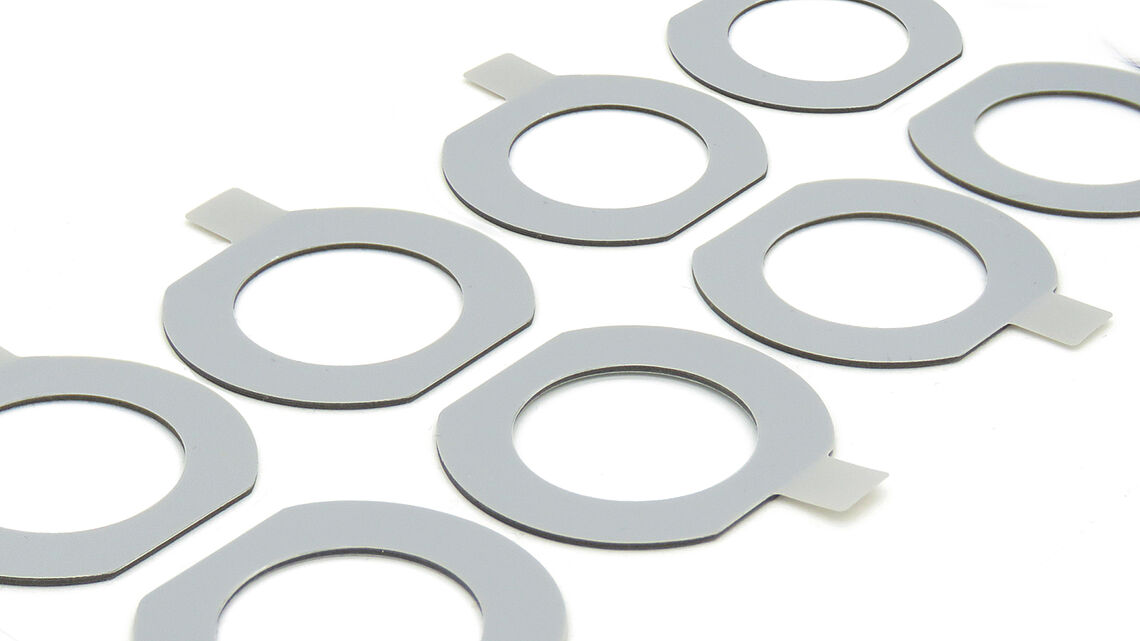
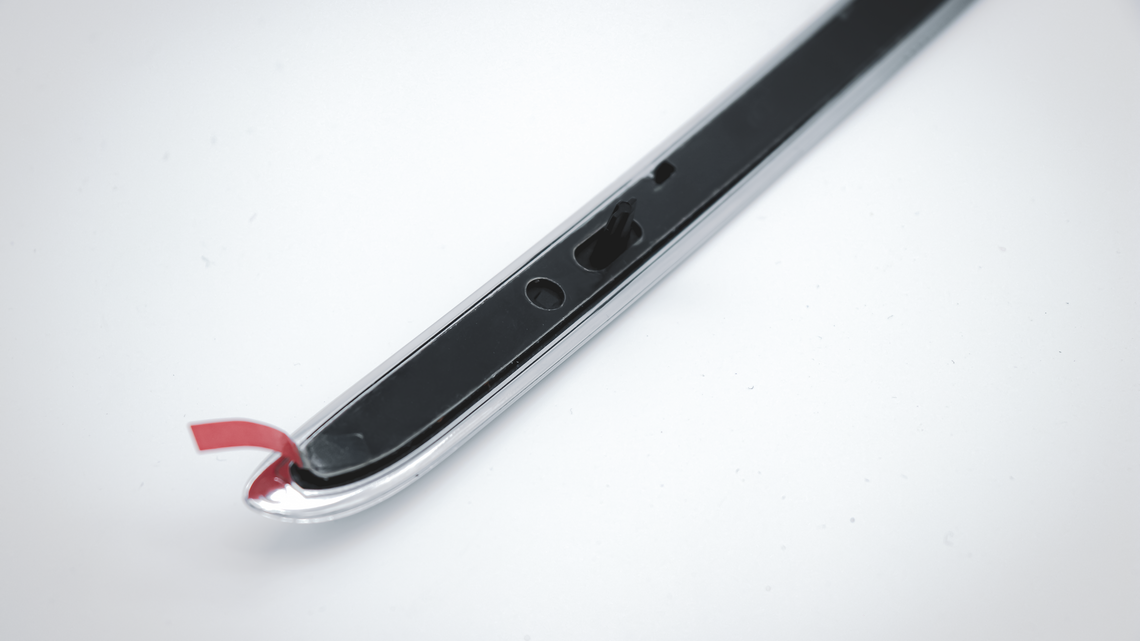
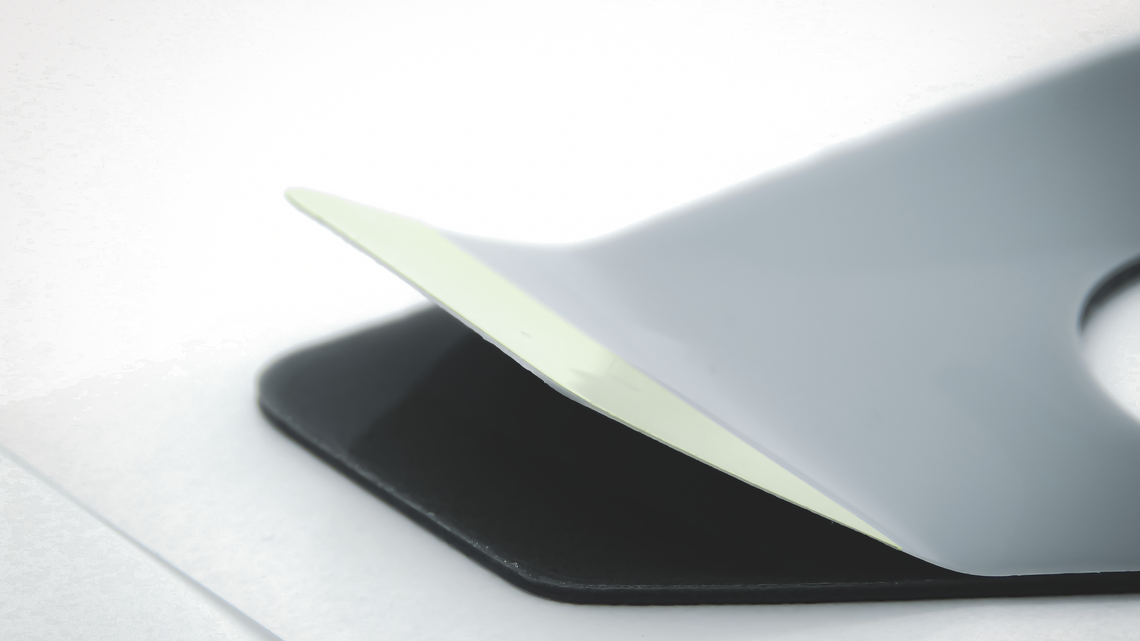
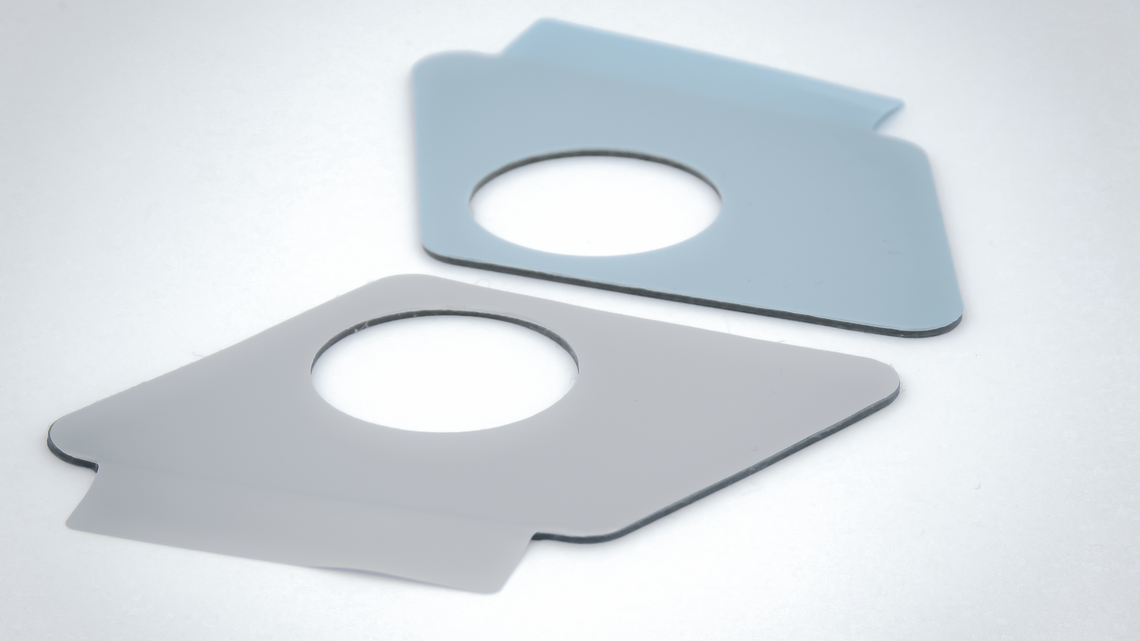
For maximum efficiency, a pull tab is made directly from the liner. The liner protrudes slightly on one side, creating a tab that makes it easier to pull off.
Unlike the flap made from excess liner material, the adhesive tab is applied independently of the liner material.
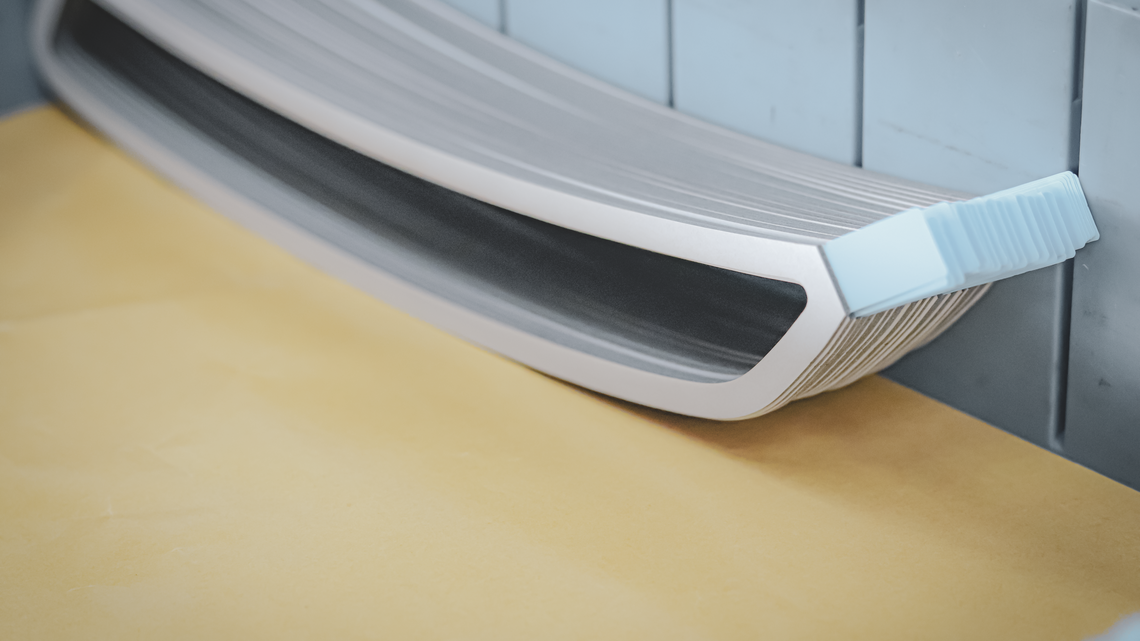
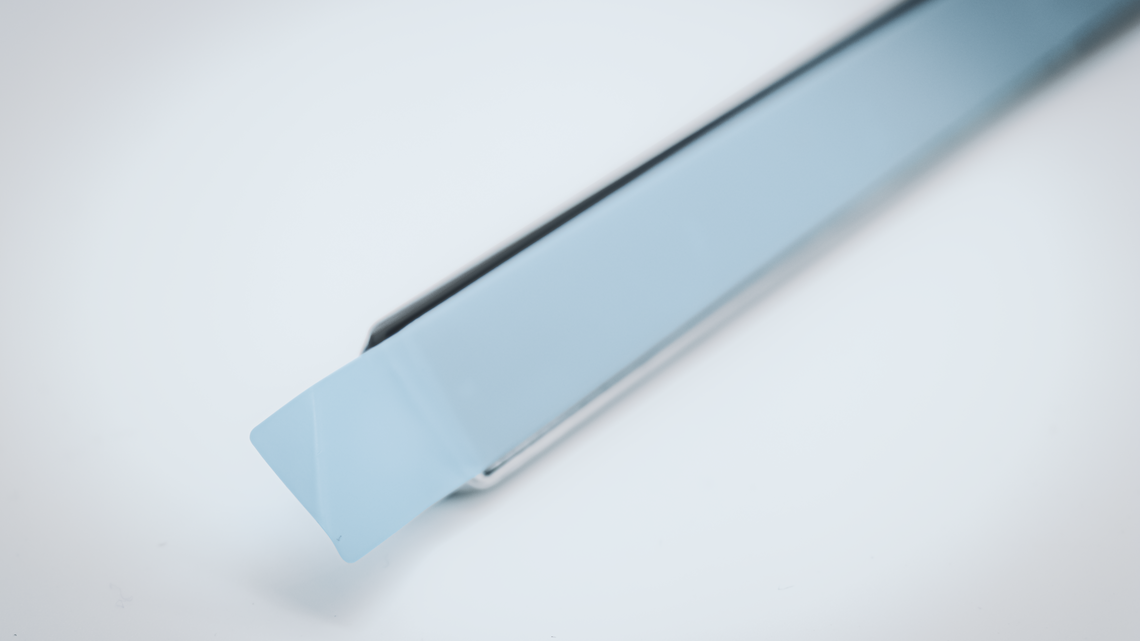
A reinforced pull tab makes it easier to grip and remove the liner, especially with small moulded parts, high adhesive forces or demanding assembly conditions. Additional layers of material ensure stable and reliable handling.
With kiss cutting, not all layers of material are completely severed. For example, the adhesive tape and the upper liner can be cut while the underlying carrier remains intact.
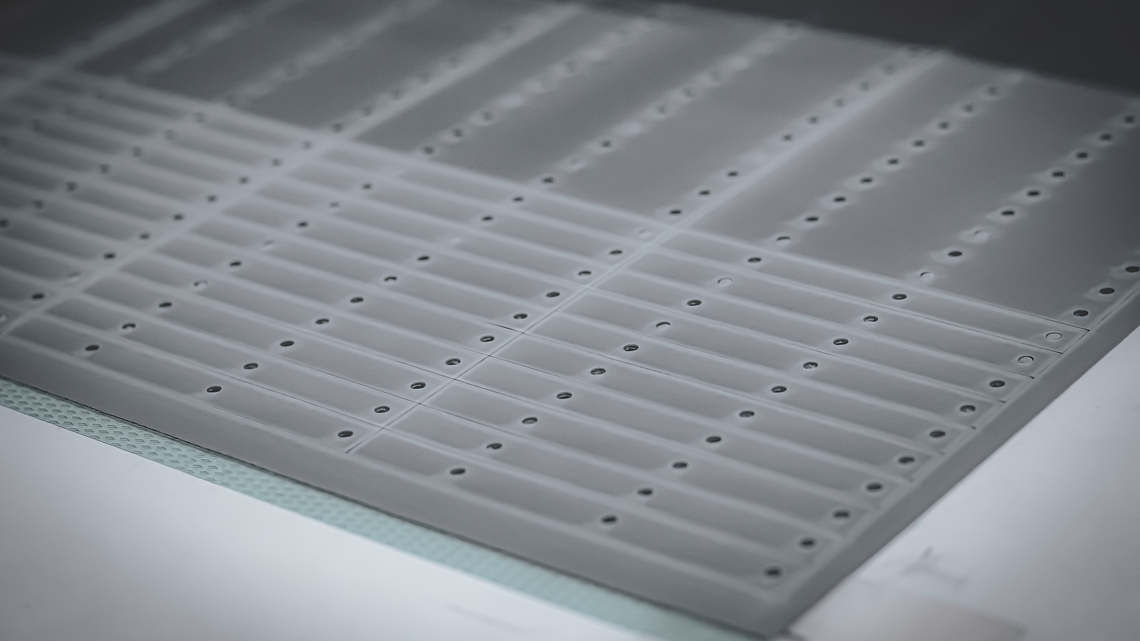
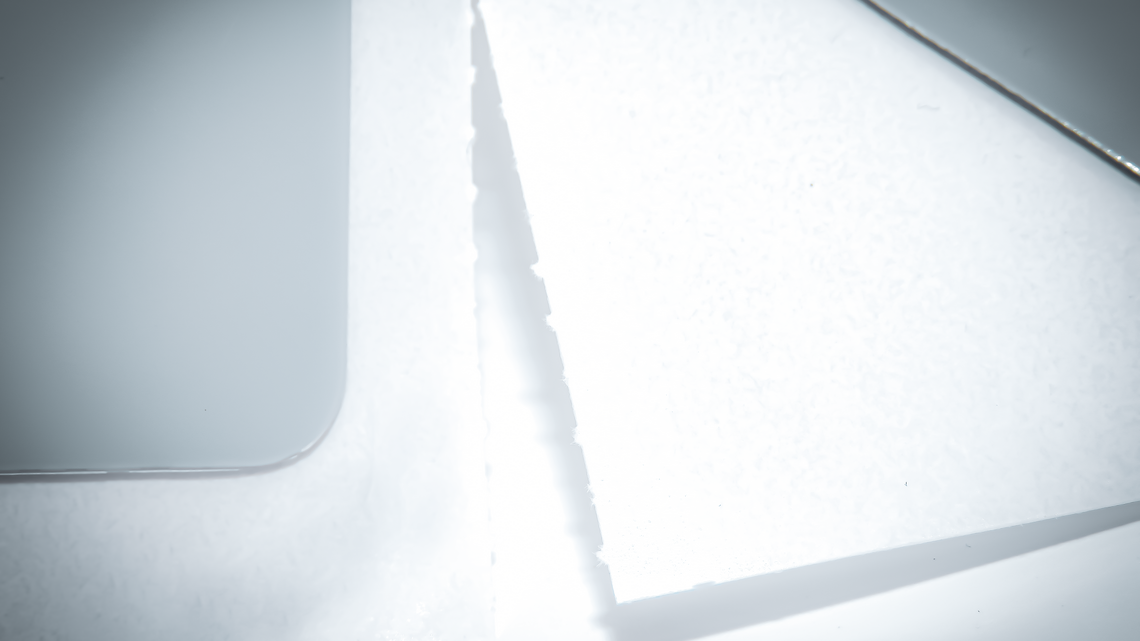
Perforations in the adhesive material allow functional areas to be defined and controlled separation to be achieved. Even with protective films without liners, this enables reliable further processing and improved handling during the assembly process.
Perforation of the liner makes it possible to deliver molded parts in advance and separate them cleanly from each other as needed. The parts remain precisely positioned and can be divided into individual sections in a processreliable manner.
Visual reference features enable clear component allocation and support automated processes. Liner colors, markings, or register marks increase process reliability and reduce mix-ups.
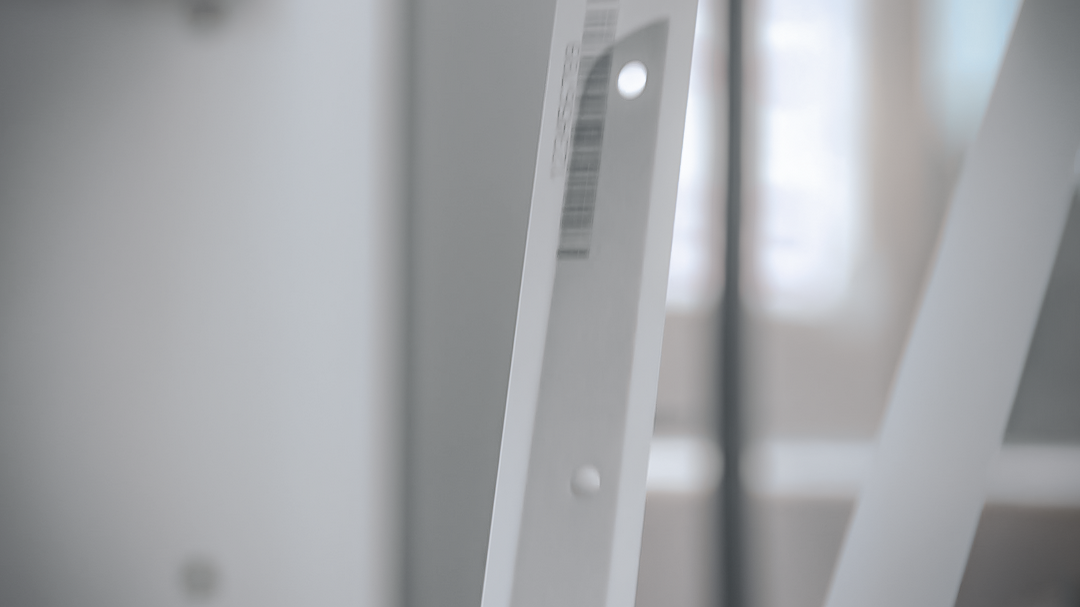
Printing on molded parts or liners allows additional product information to be added directly to the component. This supports traceability, assembly, and quality processes throughout production.