protective films

Types of
protective films

Differences between types of protective film:
Permanent and temporary

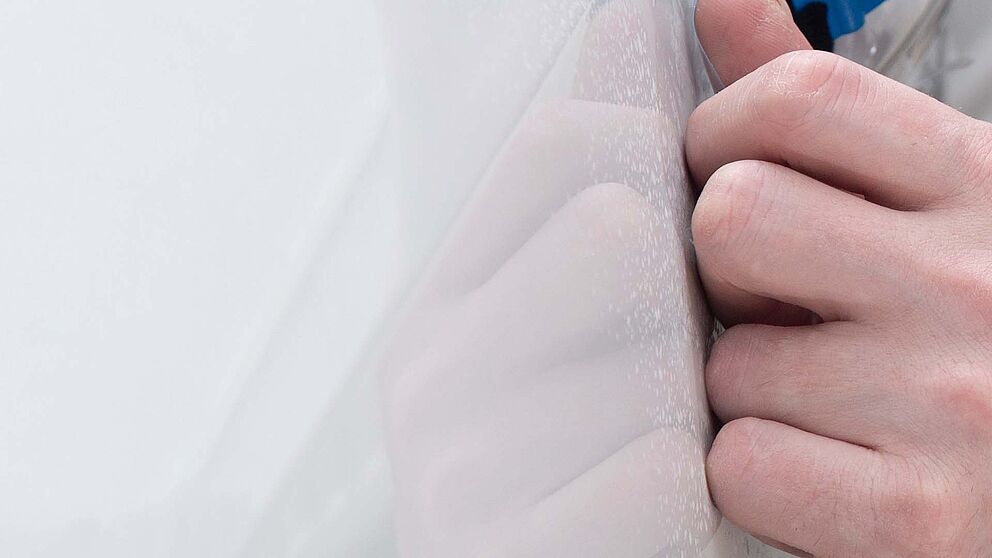
Protective films are used in a variety of ways in the automotive sector. They can be used for both permanent and temporary applications. The difference: the duration of use is determined by the film!


When you think of a protective film, you usually think that it offers protection, as the name suggests. But can the films also damage the part they are applied to in the long term? No, as long as they have been selected for the application for which they are used. Depending on their properties, the different types have their own specifications and are designed for their specific purpose.


Permanent protective films

Permanent protective films protect the surface throughout its entire service life. They are UV-resistant, prevent scratches or damage from stone chips and are suitable for glass, paintwork and metals.


The service life

The service life is defined when selecting and specifying the protective film. Depending on the film structure (e.g. TPU vs. PVC, UV blocker, thickness, adhesive system), it can fulfil its function for years, even for the entire service life of the vehicle.


They are designed to be:

  • UV and weather resistant

  • remain visually stable (no yellowing, no white breakage)

  • withstand mechanical stresses (Gravel, scratches, cleaning)

  • not infiltrated or infiltrated (Sealing)


Areas of application

  • heavily used body parts
    (front bumper, bonnet or wing)
  • Grip surfaces
    (both interior and exterior)
Removing the temporary protective film

There is often uncertainty as to whether the protective film can be removed without leaving any residue. This depends on whether the correct film has been used and whether the manufacturer's processing instructions have been followed. However, if all relevant points are taken into account when making your selection, it is no problem at all to leave a temporary protective film on the surface for up to a year and still remove it easily and without leaving any residue.

Temporary protective films

Temporary protective films are used to protect surfaces for a short period of time. In the automotive sector, they are mostly used to prevent damage or contamination during production or transport.


Basically, it must be said that it is always a combination of planned service life and area of application.
The protective film will last as long as it was designed to. When planning, it is important to know or pay attention to what area of application is intended and how long the protective function is needed.


Use of temporary protective films in interiors


  • Displays
  • Sensitive surfaces
  • Door sill trims and decorative strips
  • Decorative strips
  • Cladding
  • Touch displays


Use of temporary protective films outdoors


  • Door inner edges / loading edges
  • Bumper and entry areas
  • Column trims, decorative strips, chrome parts
  • Sensor areas / cameras
  • Rims, bumpers, roof or bonnets
  • Glass panes
  • Strips, emblems and other add-on parts

Choosing the right foil

Depending on the area of application, certain criteria must be taken into account in order to select the right film for the job. These include, on the one hand, the adhesive strength on various surfaces such as painted surfaces, glass, plastics or textiles. On the other hand, criteria such as weather resistance, compatibility with various substrates, material thickness and colour are also relevant properties for selecting the right protective film.


Any further questions?

We are happy to help you – either with your existing process or right from the start.
With our expertise as a converter, we know exactly what matters. 


Get in touch

Annkathrin Grube

Do you have questions about other topics or would you like to learn more about specific applications? Then feel free to contact me.


I am looking forward to your input for our blog!

agr@innotape.de